Responsible Luxury: Traveling Well in Guna Yala
Luxury in Guna Yala means space, time and respect, not room service. How to visit the Guna territory well: photos, molas, the reef, rubbish and local rules.
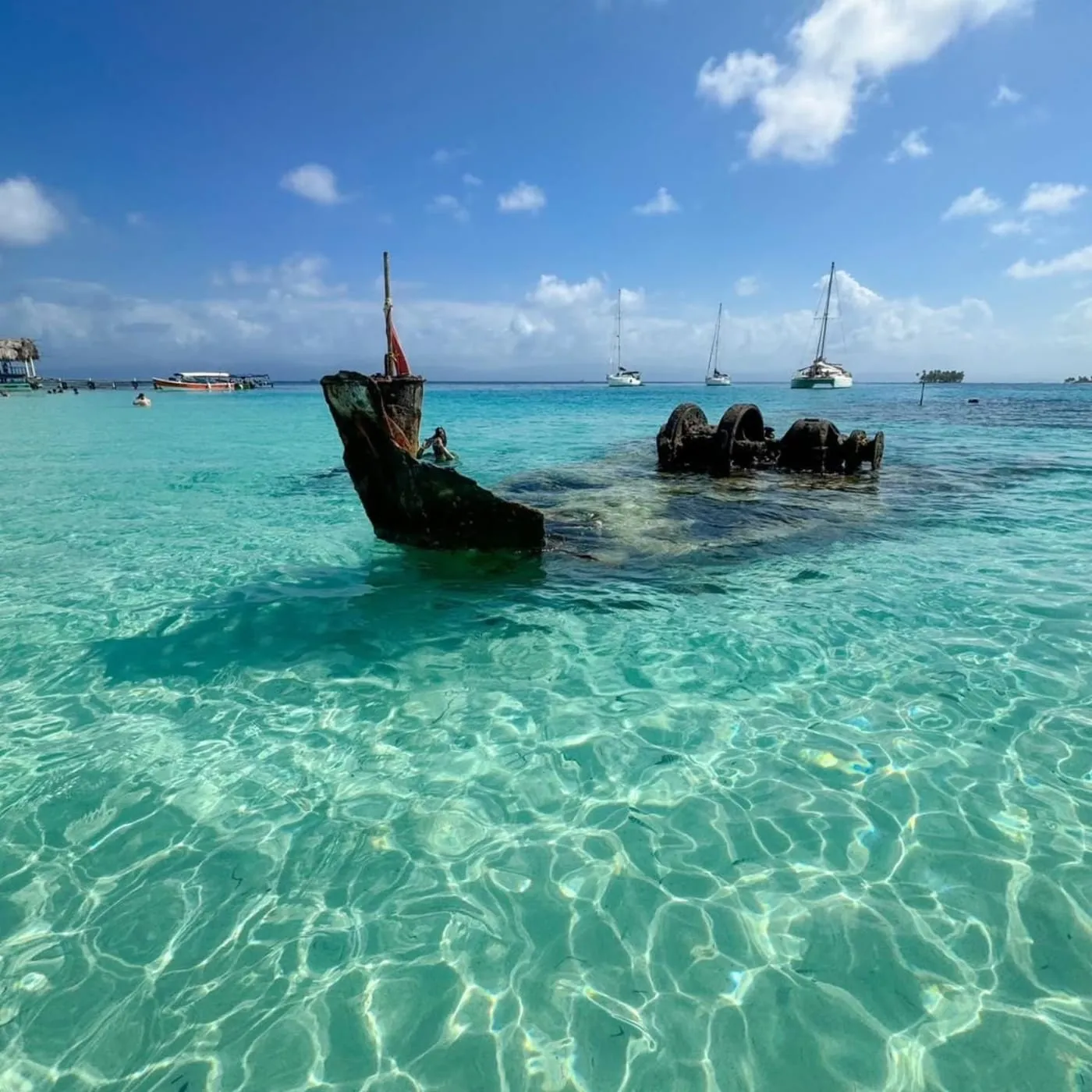
The word luxury usually brings to mind marble bathrooms, butlers and a spa menu. Guna Yala has none of that, and it never will. The islands are rustic, electricity is limited, and the territory belongs to the people who have lived there for generations. What it offers instead is rarer: water you share with almost no one, islands that are not built up and a living culture that is not staged for visitors.
Luxury here is about space and time, and about traveling in a way that keeps the place as it is. This article is a practical guide to doing exactly that.
Understand whose home you are visiting
Guna Yala is an autonomous territory governed by the Guna people through their own authorities and congresses. The islands, the reefs and even the coconut palms have owners. Visitors are welcome, but on the community’s terms, and those terms can change: sometimes the Guna authorities close an area or suspend trips for reasons of their own. To understand how that self-government works, start with how the Guna General Congress works.
The first act of responsible travel is accepting that. The rules you will hear from your guide are not tourist-industry policy. They come from the people whose home this is.
Pay the entry tax, and pay it gladly
Every visitor pays an entry tax charged directly by the Guna community, around $22 for foreign visitors, in cash on the day. It is not included in the price of any experience we run, because it is not ours to collect. Bring the exact amount if you can. It is one of the clearest ways your visit supports the territory directly.
Ask before you photograph people
This is the rule visitors forget most often, and it matters. The Guna are not part of the scenery. Always ask before you photograph someone, and accept a no gracefully. Your guide can help you ask and will know when a moment is not right.
The same courtesy applies to drones. Drone use in Guna Yala is regulated, so always ask before flying, and never fly over villages or people without clear permission.
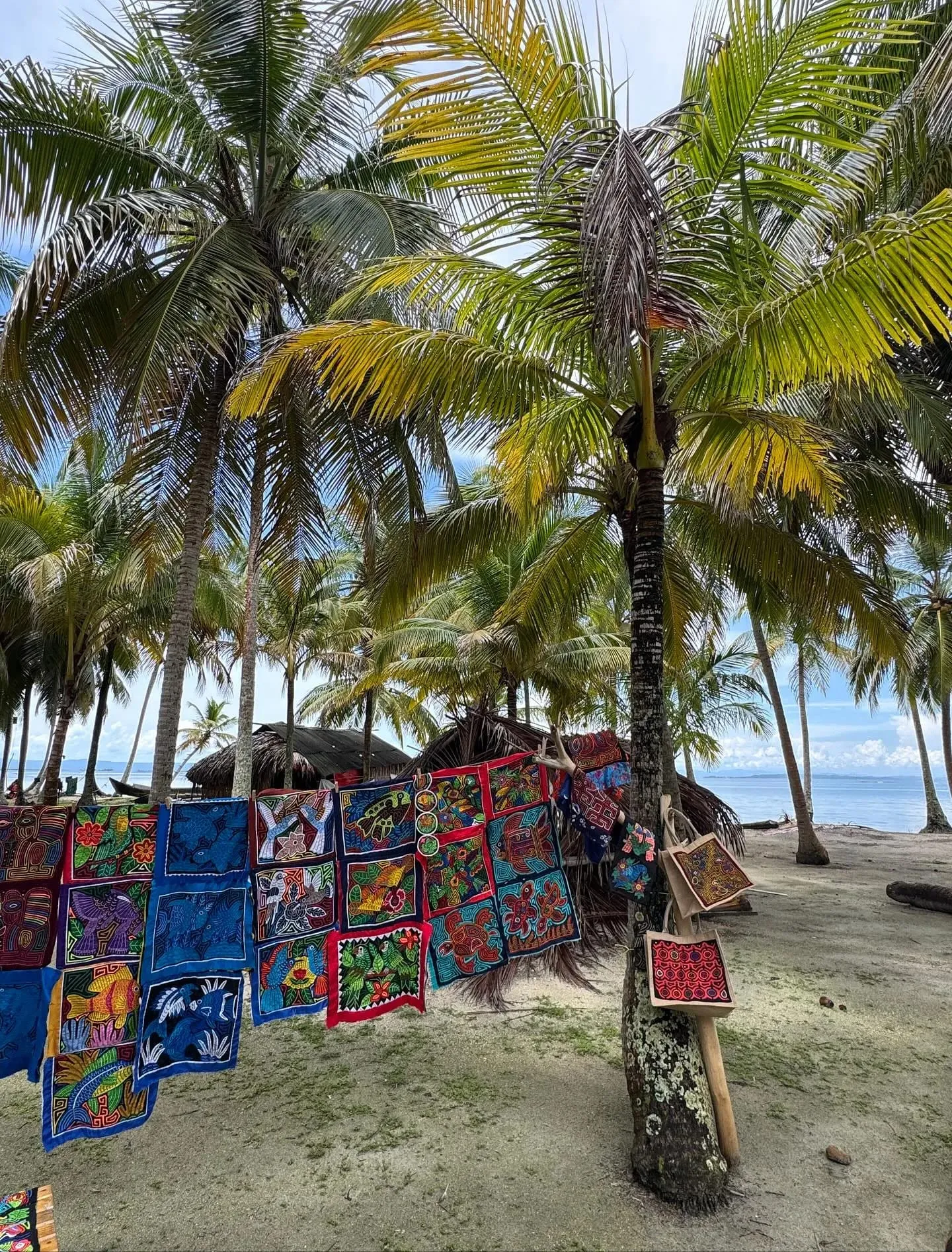
Buy molas from the people who make them
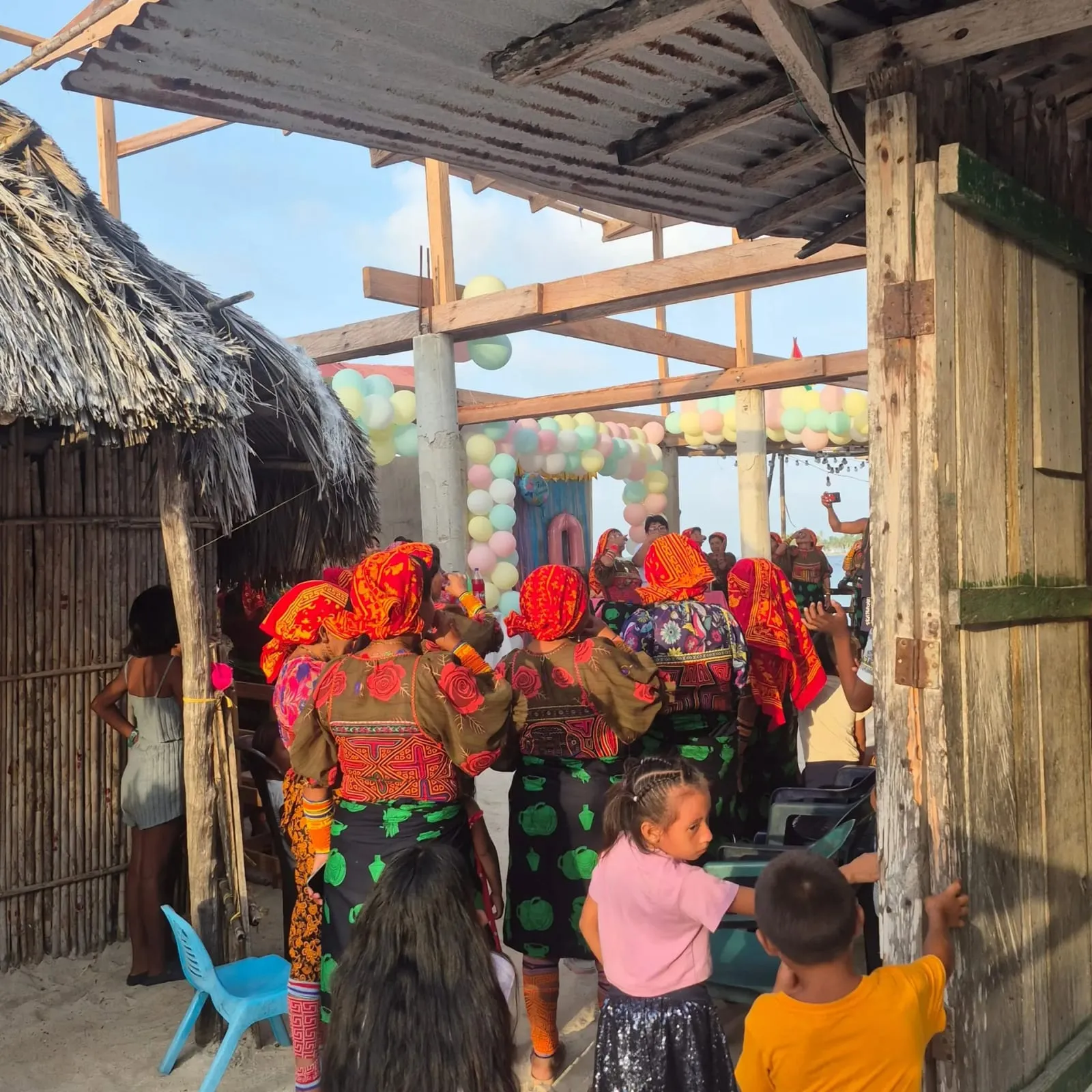
Molas are the layered, hand-stitched textile panels Guna women make and wear as part of their blouses. Each one takes many hours of work, and the designs carry meaning. Buying one directly from the artisan who made it is the most meaningful souvenir you can take home, and the money stays in the community.
A few tips:
- Bring cash. Do not count on paying by card on the islands.
- Take your time. Look at the stitching; finer, denser work takes longer to make.
- Do not haggle aggressively. A mola represents days of skilled labor.
On our VIP Day, the afternoon visit to an inhabited Guna community is a natural moment to meet the women who sew them.
Treat the reef as the treasure it is
The reefs of Guna Yala are the reason the water is so clear and the fish so plentiful. They are also fragile.
- Never stand on or touch coral. It is a living animal, and contact damages it.
- Leave starfish in the water. Lifting them out, even briefly for a photo, can harm them.
- Use reef-friendly sunscreen, or better, cover up with a long-sleeved rash guard.
- Do not feed the fish.
- Take nothing. Shells, coral and sand stay where they are.
On Cayos Holandeses VIP, where the reef is the whole point of the day, our cap of eight guests helps keep it calm and undisturbed.
Leave no trace, especially plastic
There is no garbage collection on most islands, so whatever arrives there tends to stay. Take every piece of rubbish back to the boat with you. Glass is not allowed on our boats because a broken bottle on a beach is a hazard for everyone who walks barefoot there afterward. You are welcome to bring your own drinks in cans or plastic, as long as everything you bring leaves with you.
Respect what belongs to someone
On many islands, the coconuts belong to a family or a community. Picking one up from the sand and taking it is, in effect, taking someone’s property. If you would like a coconut, ask your guide first.
Why fewer people is part of the answer
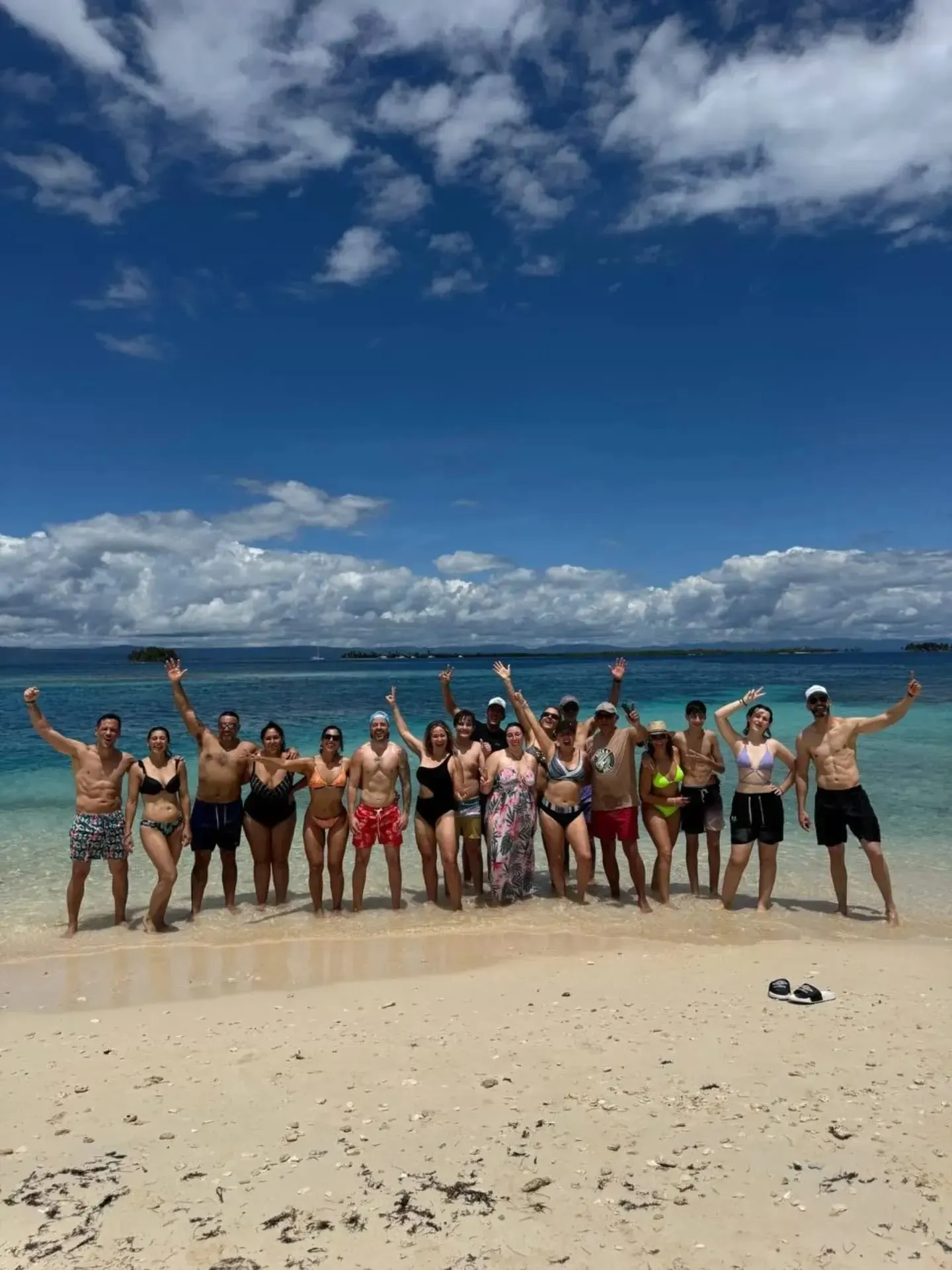
Responsible travel in a small, fragile place depends partly on numbers. We cap our shared boats at ten guests on the VIP Day and eight on Cayos Holandeses, and our private charters carry up to six. Fewer visitors per boat means less noise in the communities, less pressure on small beaches and less disturbance on the reef. It is also, not by coincidence, a better day for you.
What responsible luxury looks like in practice
Put together, it looks like this: an early start and a quiet boat, time to swim without a crowd, a guide from the community who shares what they know, a mola bought from the woman who sewed it, an entry tax paid in cash and a beach left exactly as you found it.
The day begins with pickup at your Panama City hotel at 5:00 AM in a 4x4. You travel with a Guna guide, lunch on the island with a drink is included and snorkel gear is provided. If you want to arrange anything beyond that, message us on WhatsApp at +507 6468-4720 and we will help you plan it in a way that fits the territory.
Frequently asked questions
Can I photograph the Guna villages? Landscapes and buildings are usually fine, but always ask before photographing people, especially children. Your guide will help you ask and tell you when it is better not to.
Can I fly a drone in Guna Yala? Drone use is regulated in the territory. Ask before flying, and never fly over villages or people without permission.
Is the entry tax included in your price? No. The Guna community charges it directly, around $22 for foreign visitors, in cash on the day.